
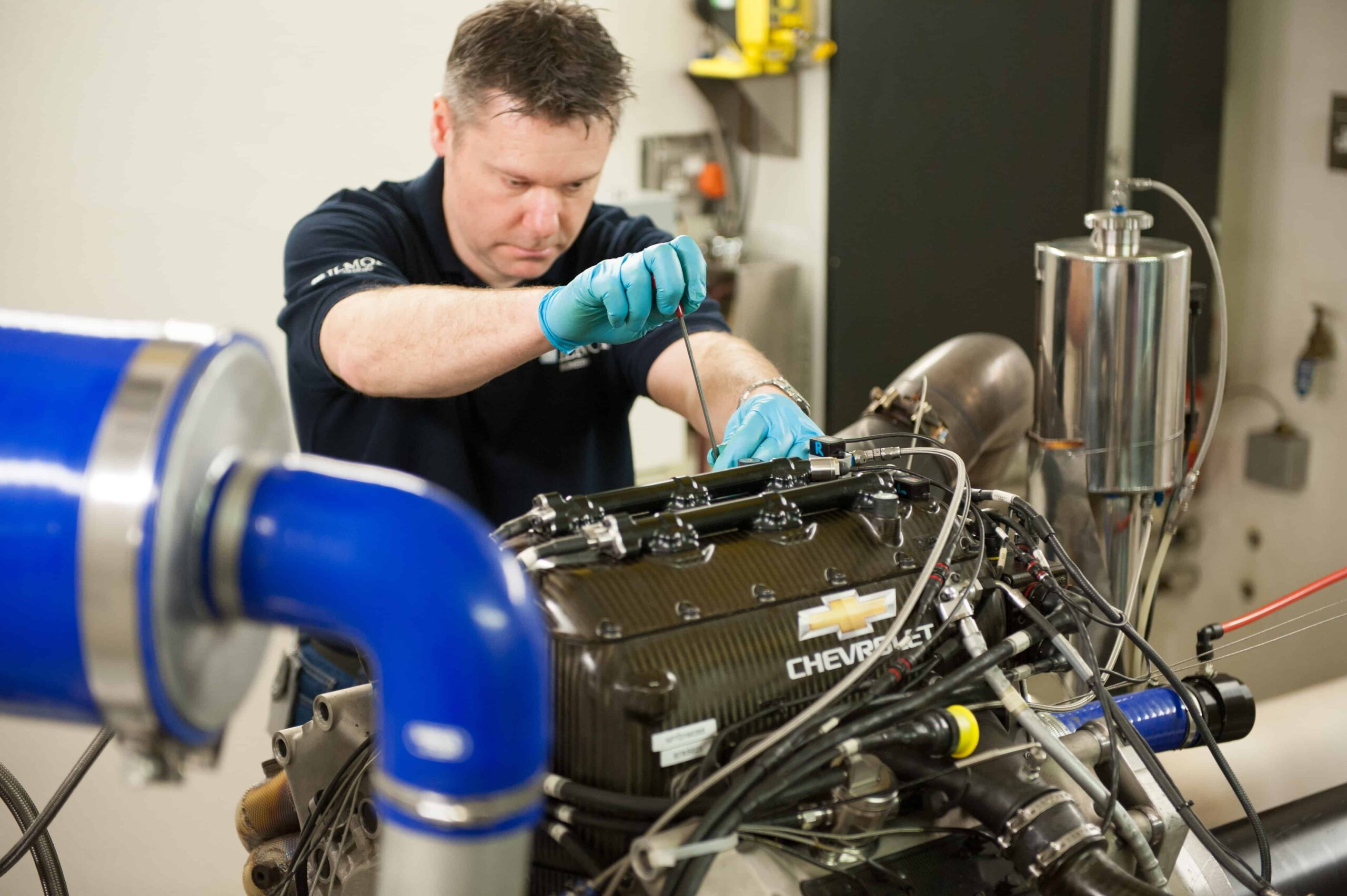
The automotive world is often defined by performance, engineering, and design. Enthusiasts focus on horsepower, handling, and innovation. Yet behind every vehicle on Australian roads sits a far less visible but equally critical component:automotive legal strategy.
As the industry becomes increasingly global, legal considerations are shaping how car manufacturers enter markets, build partnerships, and deliver products. For overseas brands expanding into Australia, success is not just about building great cars. It is about navigating a complex legal and commercial landscape.
Australia as a Destination for Global Automotive Brands
Australia continues to attract international car manufacturers looking to expand their footprint. Strong consumer demand, a stable regulatory environment, and growing interest in electric and hybrid vehicles make it an appealing market.
However, entering Australia is not as simple as importing vehicles and launching a dealership network. Manufacturers must comply with strict national standards, understand local laws, and structure their operations carefully.
This is where experienced legal support becomes essential. Firms like Alton Legal work closely with overseas automotive companies to help them establish and operate in Australia with confidence.
Navigating Regulatory Requirements
Australia has a detailed regulatory framework governing the automotive sector. This includes vehicle safety standards, environmental requirements, and import regulations.
Manufacturers must ensure compliance with Australian Design Rules, which cover everything from crash safety to emissions. Failure to meet these standards can lead to delays, penalties, or even restrictions on market entry.
automotive legal strategy advisors assist by guiding companies through certification processes, ensuring compliance, and helping avoid costly mistakes. This allows manufacturers to focus on launching and growing their brand.
Structuring Business Operations
One of the first decisions an overseas manufacturer must make is how to structure its presence in Australia. Options may include setting up a local subsidiary, forming a joint venture, or working through distribution agreements.
Each approach has different legal, financial, and operational implications. A poorly structured arrangement can lead to disputes, inefficiencies, or loss of control over key aspects of the business.
Carefully drafted agreements help define roles, protect intellectual property, and manage risk. In an industry where brand identity and technology are critical, this level of protection is essential.
Supply Chains and Commercial Agreements
The automotive industry relies on complex supply chains involving manufacturers, parts suppliers, logistics providers, and dealerships. Each link in the chain must be supported by clear and enforceable contracts.
Disruptions can have a significant impact on production and delivery timelines. automotive legal strategy support helps businesses anticipate risks and build safeguards into their agreements, including dispute resolution mechanisms and liability provisions.
This is particularly important in a competitive market where delays can affect both reputation and revenue.
Technology and the Modern Vehicle
Modern cars are no longer just mechanical machines. They are integrated with advanced software, data systems, and connectivity features. This shift introduces new legal challenges.
Issues such as data privacy, cybersecurity, and intellectual property protection are becoming increasingly important. Automotive legal strategy companies must ensure that their technologies comply with Australian laws while safeguarding their innovations.
Legal expertise in IP and IT law is now a critical part of the automotive ecosystem.
Supporting Overseas Manufacturers in Australia
As more international brands enter the Australian market, the need for tailored automotive legal strategy support continues to grow. Many manufacturers require guidance not only on compliance but also on navigating cultural and language differences.
With a rising number of Chinese automotive companies expanding into Australia, firms offering Chinese-speaking legal support for automotive businesses are playing an important role. This ensures that communication remains clear and that legal advice is fully understood.
This kind of support is particularly valuable when negotiating partnerships, managing regulatory requirements, and resolving disputes.
Employment and Local Operations
Establishing a presence in Australia also involves hiring local staff and complying with employment laws. Businesses must meet national standards relating to wages, workplace conditions, and employee rights.
Legal advisors help draft employment contracts, implement workplace policies, and manage disputes if they arise. This ensures that operations run smoothly and in compliance with Australian regulations.
Consumer Law and Market Expectations
Australia has strong consumer protection laws, and automotive businesses must ensure that their practices align with these standards. This includes warranties, product representations, and customer rights.
Failure to comply can lead to penalties and reputational damage. Legal guidance helps businesses maintain compliance while building trust with customers.
Dispute Resolution in the Automotive Sector
Disputes can arise in many areas, including contracts, supply chains, and consumer claims. Having a clear strategy for resolving disputes is essential.
Modern automotive legal strategy practices are increasingly using technology to improve efficiency in this area. Artificial intelligence tools assist in analysing documents, identifying risks, and preparing cases more effectively.
For automotive businesses operating across borders, this means faster and more accurate responses when issues arise.
The Road Ahead for the Automotive Industry
The automotive sector is evolving rapidly, driven by electric vehicles, autonomous technology, and digital integration. These developments are creating new opportunities as well as new automotive legal strategy challenges.
Manufacturers that take a proactive approach to legal strategy are better positioned to succeed. By addressing risks early and building strong foundations, they can focus on innovation and growth.
Australia will continue to be a key market for global automotive brands. With the right legal support, overseas manufacturers can navigate the complexities of the local environment and achieve long term success.
Final Thoughts
For car enthusiasts, the focus will always be on the driving experience. But behind every vehicle is a network of legal, commercial, and technological considerations that make that experience possible.
As the industry becomes more global and interconnected, automotive legal strategy is becoming an essential part of the automotive journey. Businesses that recognise this are not only protecting themselves but also creating the conditions for sustainable growth in an increasingly competitive market.
