
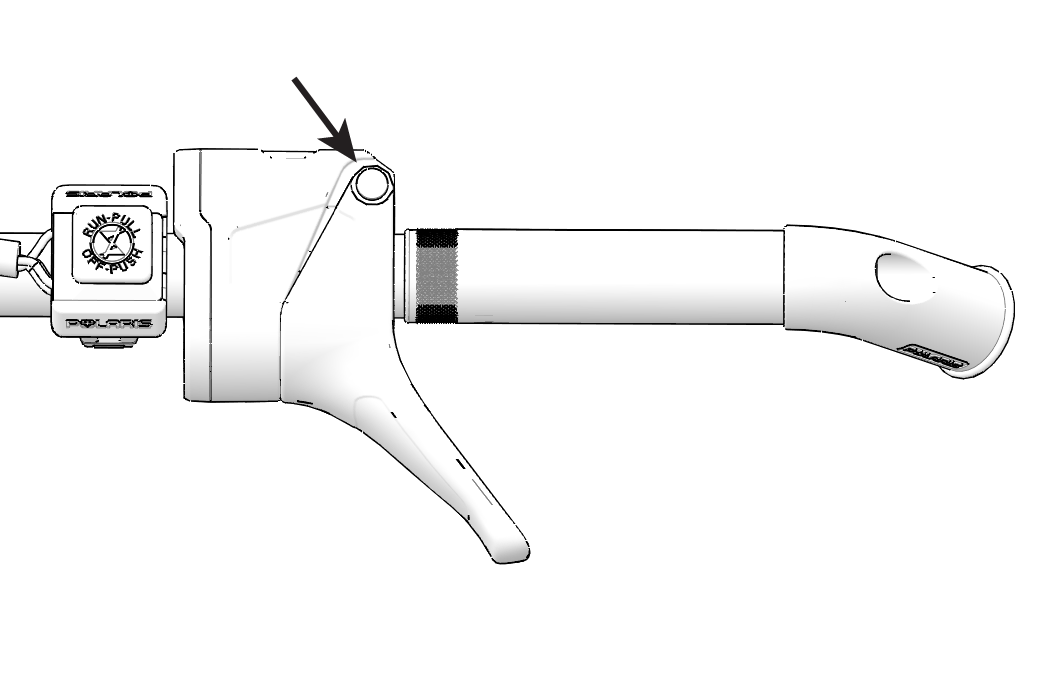
In the realm of automotive engineering, advancements are continually being made to ensure both performance and safety on the road. One such innovation that has significantly contributed to vehicle safety is the throttle safety switch. This crucial component plays a pivotal role in modern vehicles, enhancing driver control and preventing potential hazards. Let’s delve into the workings of throttle safety switches and explore their significance in today’s automotive landscape.
The throttle safety switch, often referred to as a throttle position sensor (TPS) or throttle pedal position sensor (TPPS), is a vital component in a vehicle’s electronic throttle control system. Its primary function is to monitor the position of the throttle pedal and relay this information to the engine control unit (ECU). By precisely tracking the throttle pedal’s movement, the switch assists in regulating engine power output and ensures smooth acceleration.
One of the key benefits of a throttle safety switch is its role in enhancing driver safety. In traditional vehicles equipped with mechanical throttle linkages, the driver’s control over engine power was directly dependent on the physical connection between the throttle pedal and the engine. However, in modern vehicles with electronic throttle control systems, the throttle safety switch acts as a safeguard, adding an extra layer of control and responsiveness.
The operation of a throttle safety switch is relatively straightforward yet crucial for safe vehicle operation. When the driver depresses the throttle pedal, the sensor detects the corresponding movement and sends a signal to the ECU, indicating the desired level of acceleration. Based on this input, the ECU adjusts the throttle opening and fuel delivery to achieve the requested power output. Additionally, the throttle safety switch continuously monitors the throttle pedal position to detect any irregularities or malfunctions.
One of the primary functions of a throttle safety switch is to ensure that the engine responds appropriately to changes in throttle input. In situations where sudden acceleration is required, such as merging onto a highway or overtaking another vehicle, the switch helps deliver the necessary power promptly and efficiently. Conversely, during deceleration or braking, the switch signals the ECU to reduce engine power, promoting smoother transitions and better vehicle control.
Moreover, throttle safety switches play a crucial role in preventing unintended acceleration incidents. By accurately tracking throttle pedal movements, these sensors can detect anomalies that may indicate a stuck throttle or malfunctioning electronic controls. In such scenarios, the switch can signal the ECU to enter a limp mode or initiate fail-safe measures, reducing engine power and allowing the driver to safely bring the vehicle to a stop.
In addition to their safety benefits, throttle safety switches also contribute to improved fuel efficiency and emissions control. By precisely regulating throttle opening based on driver input, these sensors help optimize engine performance and minimize fuel consumption. Furthermore, by ensuring smoother engine operation, throttle safety switches help reduce harmful emissions, contributing to a cleaner and more environmentally friendly driving experience.
The implementation of throttle safety switches has become standard practice in modern vehicles, reflecting the automotive industry’s commitment to enhancing safety standards. From compact sedans to high-performance sports cars, electronic throttle control systems equipped with these sensors are now ubiquitous across various vehicle segments. Additionally, advancements in sensor technology have led to more reliable and accurate throttle safety switches, further bolstering their effectiveness in preventing accidents and promoting driver confidence.
However, like any electronic component, throttle safety switches are not immune to potential issues or failures. Common problems associated with these sensors include wear and tear, electrical malfunctions, and calibration errors. Regular maintenance and periodic inspections are essential to ensure that throttle safety switches operate correctly and reliably. Additionally, manufacturers continually refine sensor designs and incorporate redundant systems to enhance reliability and fault tolerance.
In conclusion, throttle safety switches are integral components of modern vehicle safety systems, playing a crucial role in enhancing driver control and preventing accidents. By accurately monitoring throttle pedal movements and relaying this information to the ECU, these sensors ensure smooth acceleration, optimal engine performance, and improved fuel efficiency. As automotive technology continues to evolve, throttle safety switches will remain essential in safeguarding drivers and passengers on the road, reaffirming their status as indispensable components in the pursuit of safer driving experiences.
